Spring Wildlife & Conservation Update
As winter has turned to spring and wildlife has begun to emerge, our rangers have been busy behind-the-scenes completing conservation work, caring for habitats, and keeping an eye on our nature.
With spring now in full bloom, there’s already lots to share from across our parks.
Here’s a snapshot of what’s been happening across Warwickshire Country Parks this season. For more updates like this, don’t forget to sign up for our monthly newsletter.
Wildlife and survey highlights
2026 wildlife surveying is now well under way, and there’s already been plenty to celebrate across our parks.
In the north of the county, rangers and volunteers have begun their regular wildflower and bee surveys, helping us track how habitats are changing over time.
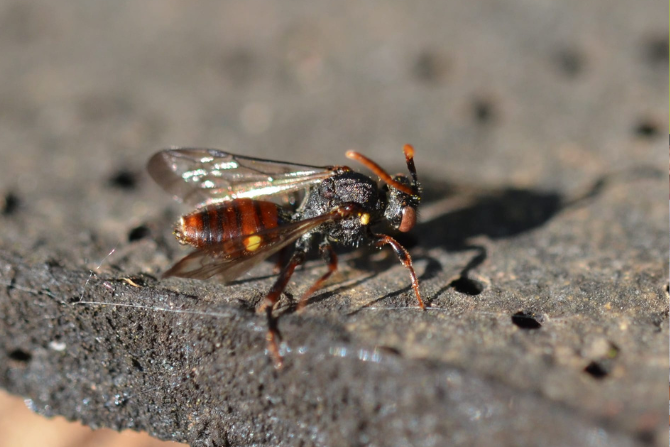
Meanwhile, Ryton Pools has had a particularly strong start to the year. Around 2,000 Spring Plasterer Bees were observed at Pagets Pool, the only known site for this species in Warwickshire, and early bee surveys have already recorded over 600 bees from more than 35 species in just a few sessions. That includes our first male Andrena apica (Large Sallow Mining Bee), after a female was recorded in 2020, and a new bee for the site Nomada zonata (Variable Nomad Bee) which is a nest parasite of the Short-fringed Mining Bee.
This builds on an impressive 2025, when the site’s bee list reached 117 species (one of the highest totals in the county) and over 73,000 moths from more than 700 species were recorded.
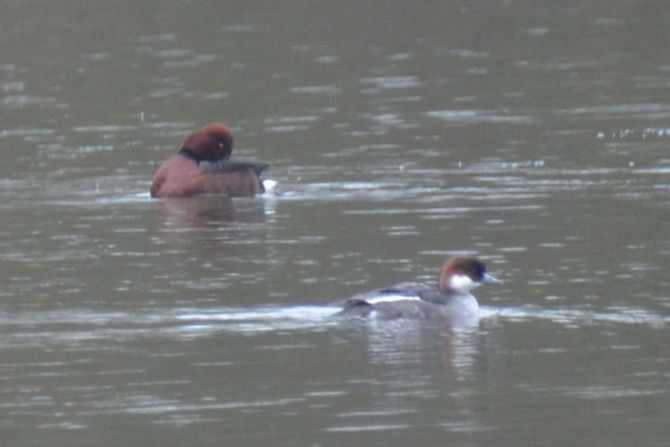
There have also been some exciting bird sightings in recent months, including Great White Egret, Ferruginous Duck and a female Smew!
Butterfly monitoring has brought more good news, too. We’ve now analysed data from our three transect routes (fixed routes that can be walked repeatedly for surveying butterflies) from 2025, with some highly encouraging results. There were strong numbers across the site, with Brown Argus having its second best year since records began, and significant increases in Gatekeeper and Marbled White. At Pagets Pool, the highest butterfly counts in 10 years were recorded, along with the welcome return of the rare Wood White following habitat improvements.
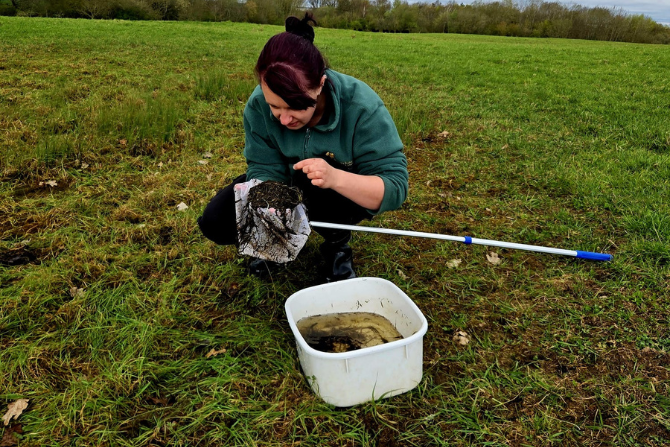
Other survey work includes our “Beetle Blitz”, pond surveys for amphibians, and continued monitoring of bees, moths and other invertebrates. These surveys are already uncovering new species for the site and helping us build a clearer picture of how wildlife is using the park, and we look forward to sharing more results as they are revealed.
Great Crested Newts at Ryton Pools
We’re continuing to build on our partnership with RSK Biocensus at Ryton Pools, who are using our site as a base for their Great Crested Newt training.
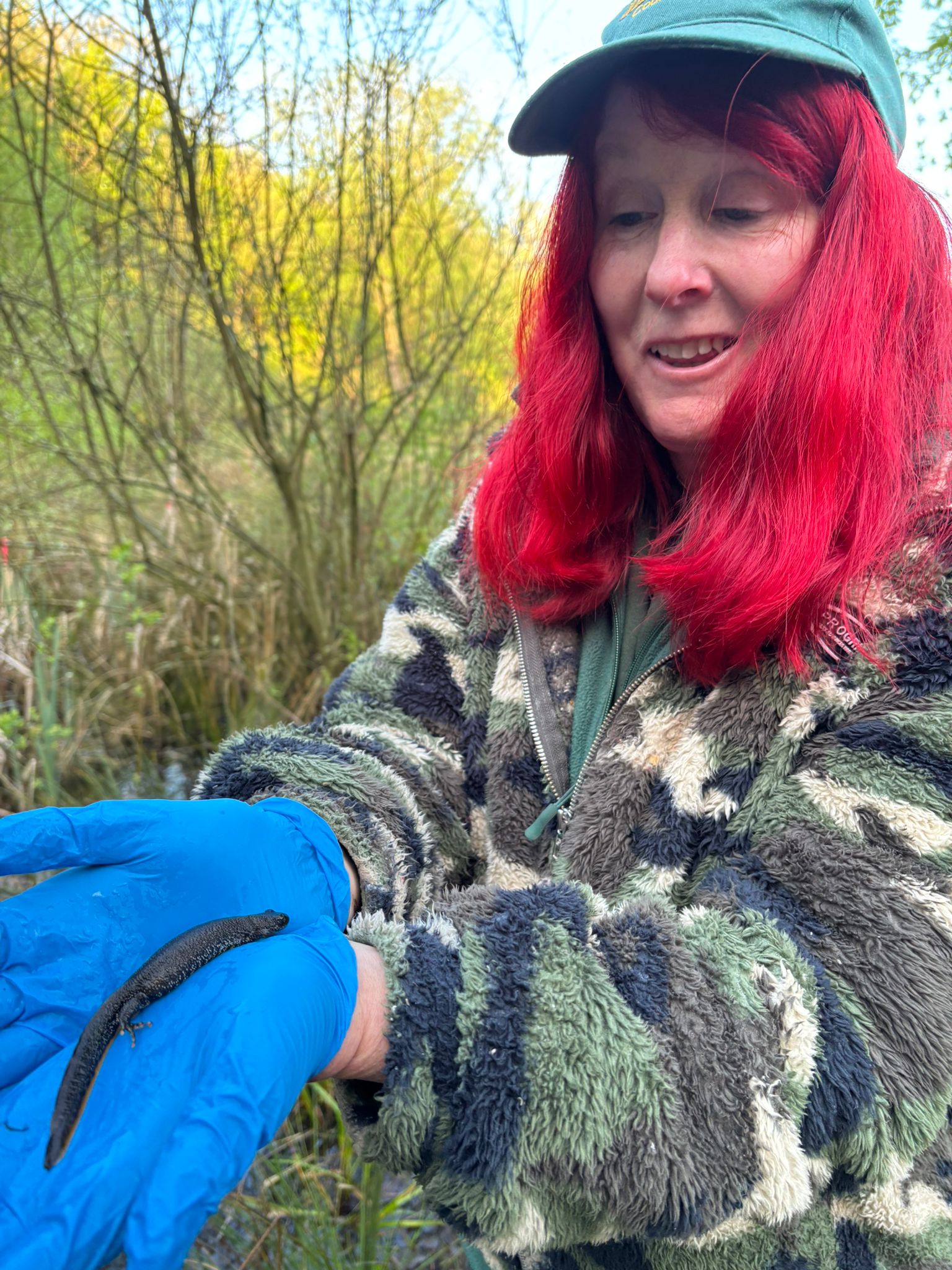
Earlier this year, members of their team volunteered their time to help improve habitats around Balancing Pool, including pollarding willows and creating hibernacula – log and turf shelters where amphibians can safely rest over winter.
They’ve now begun a new season of Great Crested Newt surveying. Their team demonstrate safe and effective surveying techniques, including “lamping” pools at night and using bottle traps, in preparation for obtaining their Great Crested Newt licences. In turn, this surveying has played a huge role in helping us better understand how these protected species use the site and how we can care for them in the future.
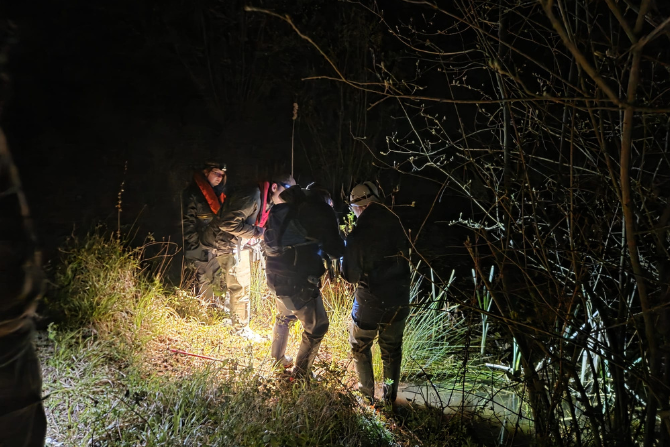
The nocturnal survey methods used have come with the added bonus of highlighting some additional guests in our wetland habitats: a healthy population of the rarely recorded Water Stick Insect in Pagets Pool, as well as a good number of Stone Loach residing in Feeder Pool – a bottom feeding fish that helps clean gravelly pools.
Tree planting and habitat work
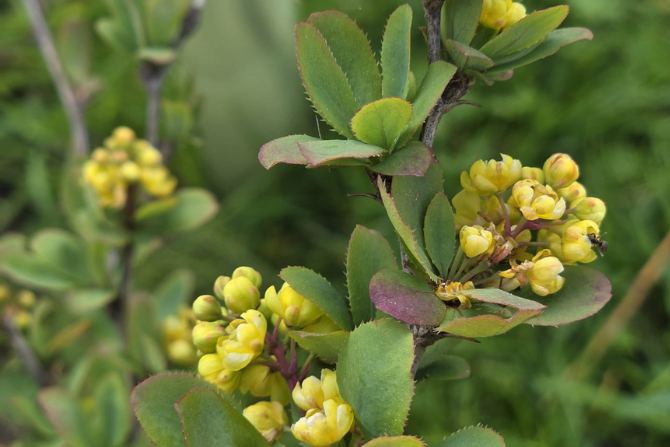
Over the winter, an incredible 3,000+ hedgerow trees have been planted at Ryton Pools to help strengthen habitats and support wildlife.
A mix of species has been used to provide better shelter and food sources, including barberry, a species we hope will support rare moths including Scarce Tissue and perhaps even the incredibly rare Barberry Carpet Moth in the future.
This was a true team effort, and we’re very grateful to everyone who got involved, particularly South Warwickshire Parks staff, our Monday and Saturday volunteers, and the Ryton Pools Home Education Group, who braved some very cold and wet conditions to help with planting.
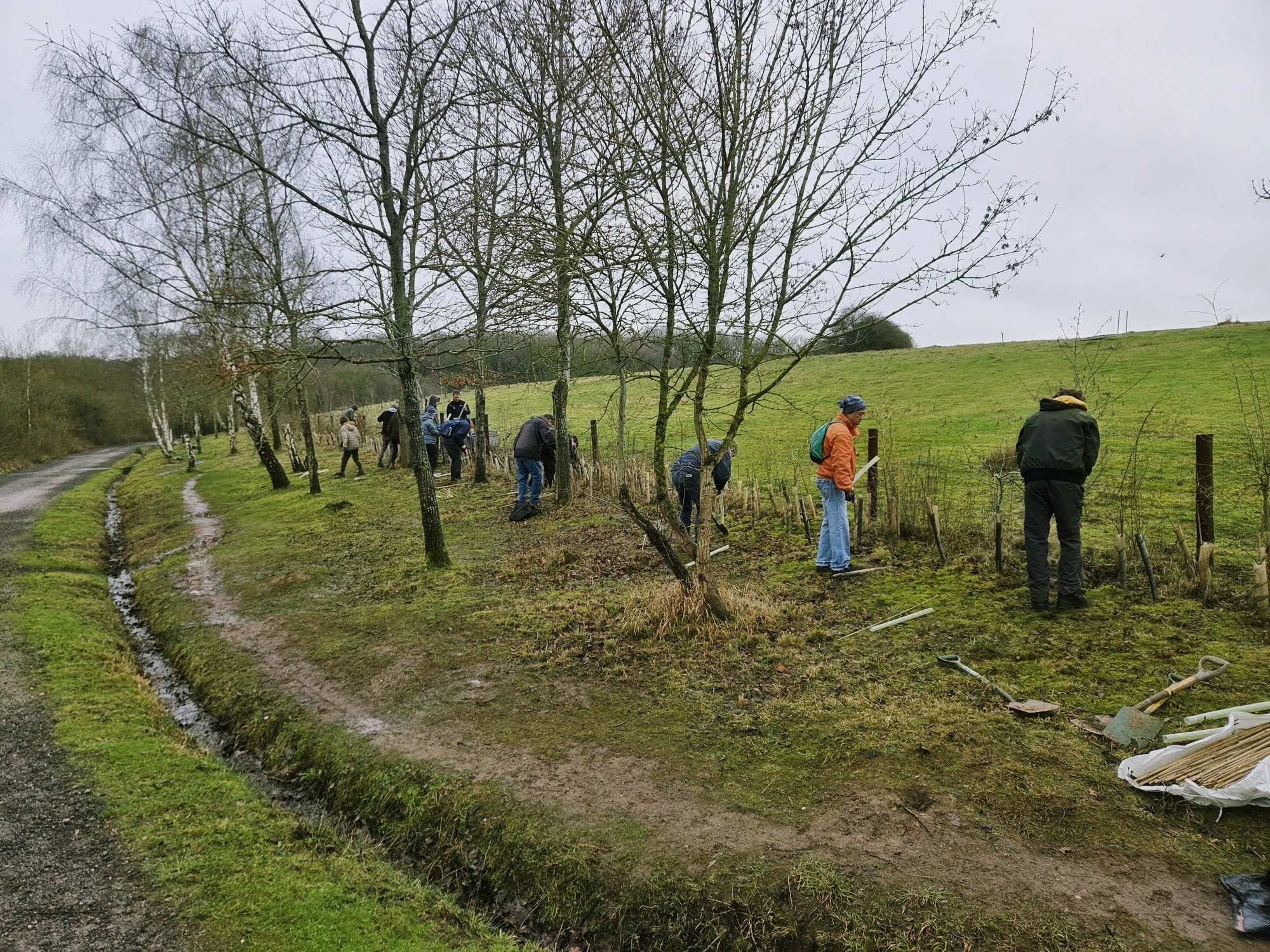
We’d also like to thank Warwickshire County Council ecologist Tara Higgs, who not only secured funding for the trees through The Tree Council and DEFRA’s Trees Outside Woodlands grant, but got stuck in with the planting too!
Across our other sites, work has also continued to restore grasslands and manage habitats, helping to keep our parks rich in wildlife.
Willow pollarding at Kingsbury Water Park
Over late winter and early spring, mature willow trees around the park have been carefully pollarded.
This work helps keep the trees healthy and safe, while encouraging fresh growth. It also opens up the lakeside, letting in more light and airflow, which benefits both the water and the wildlife that depends on it.
Pollarded willows are fantastic for nature, too. As they age, they develop cracks, cavities and deadwood, creating valuable homes for birds, bats and insects.
Rare mosses at Burton Dassett Hills
A recent visit from the Warwickshire Bryophyte Group has uncovered some exciting finds at Burton Dassett Hills. Several moss species not seen in the county for over 50 years were recorded, along with one completely new to Warwickshire. This is a great reminder of how important these grassland habitats are, and how much there still is to discover.
Things to look out for
Our parks are positively brimming with life as spring continues.
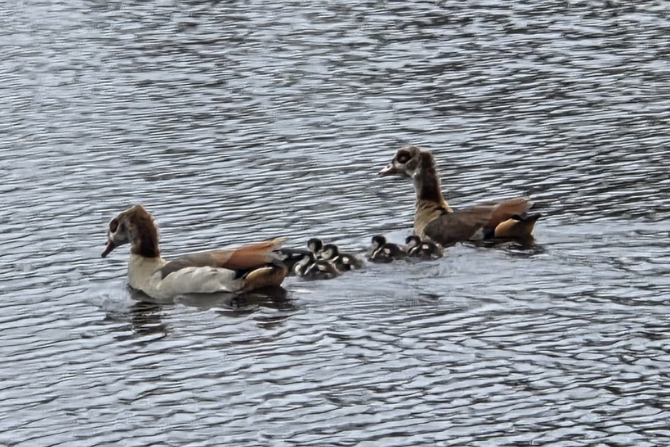
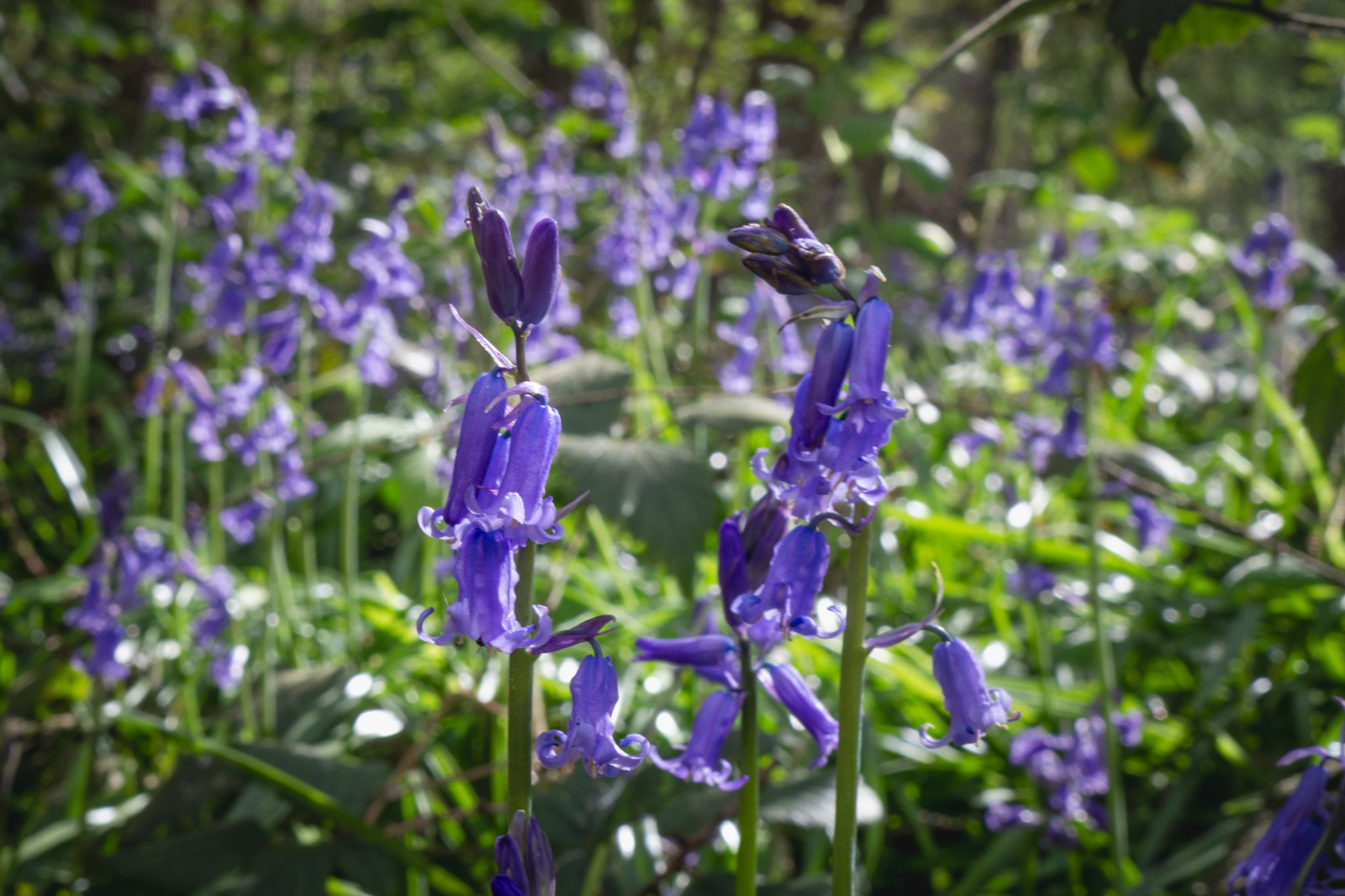
Bluebells are in full bloom, bees and butterflies are becoming more active, and ponds are full of activity as amphibians return to breed. There’s no shortage of ducklings and goslings, including a characterful family of Egyptian Geese spotted at Kingsbury Water Park.
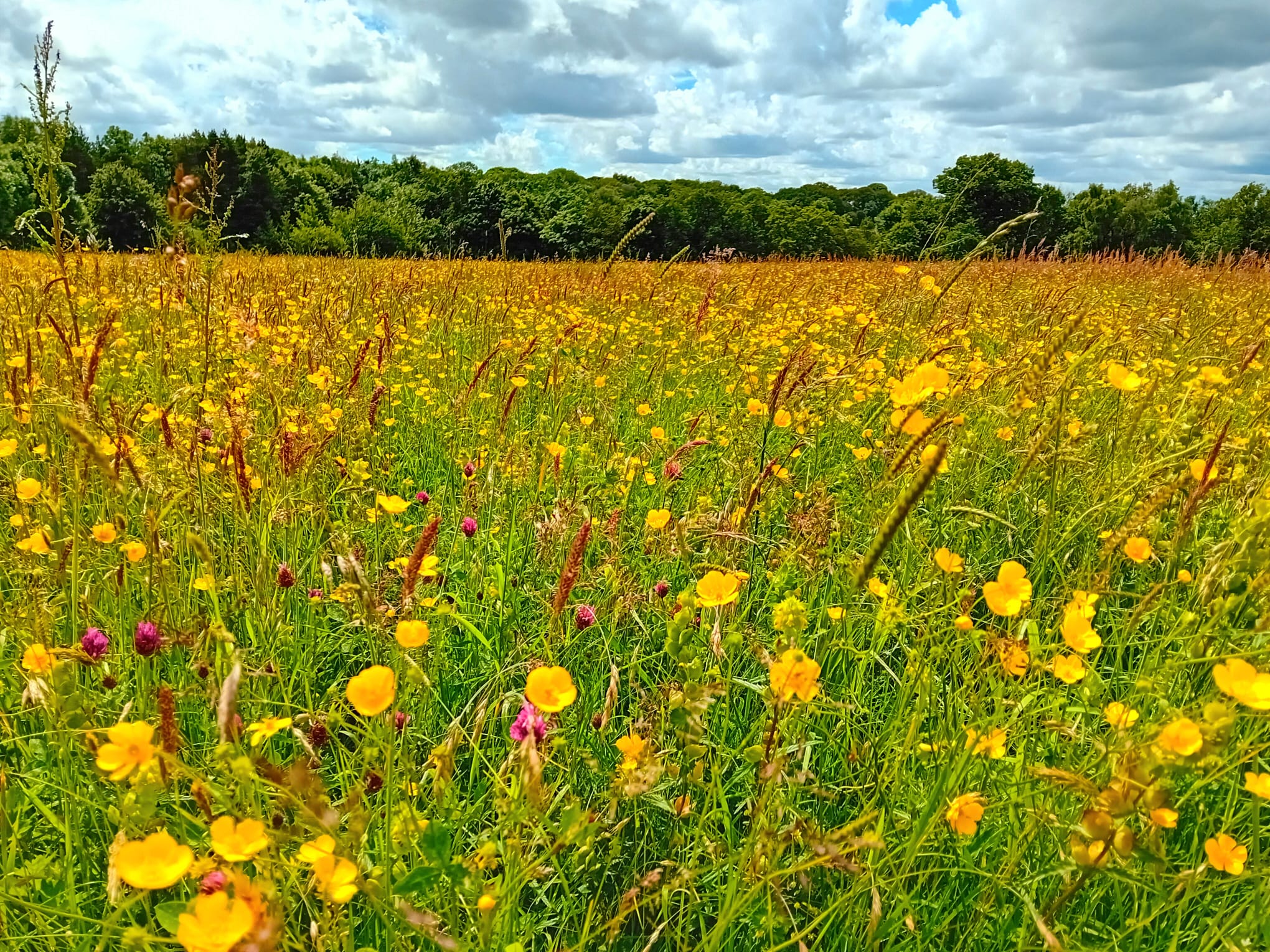
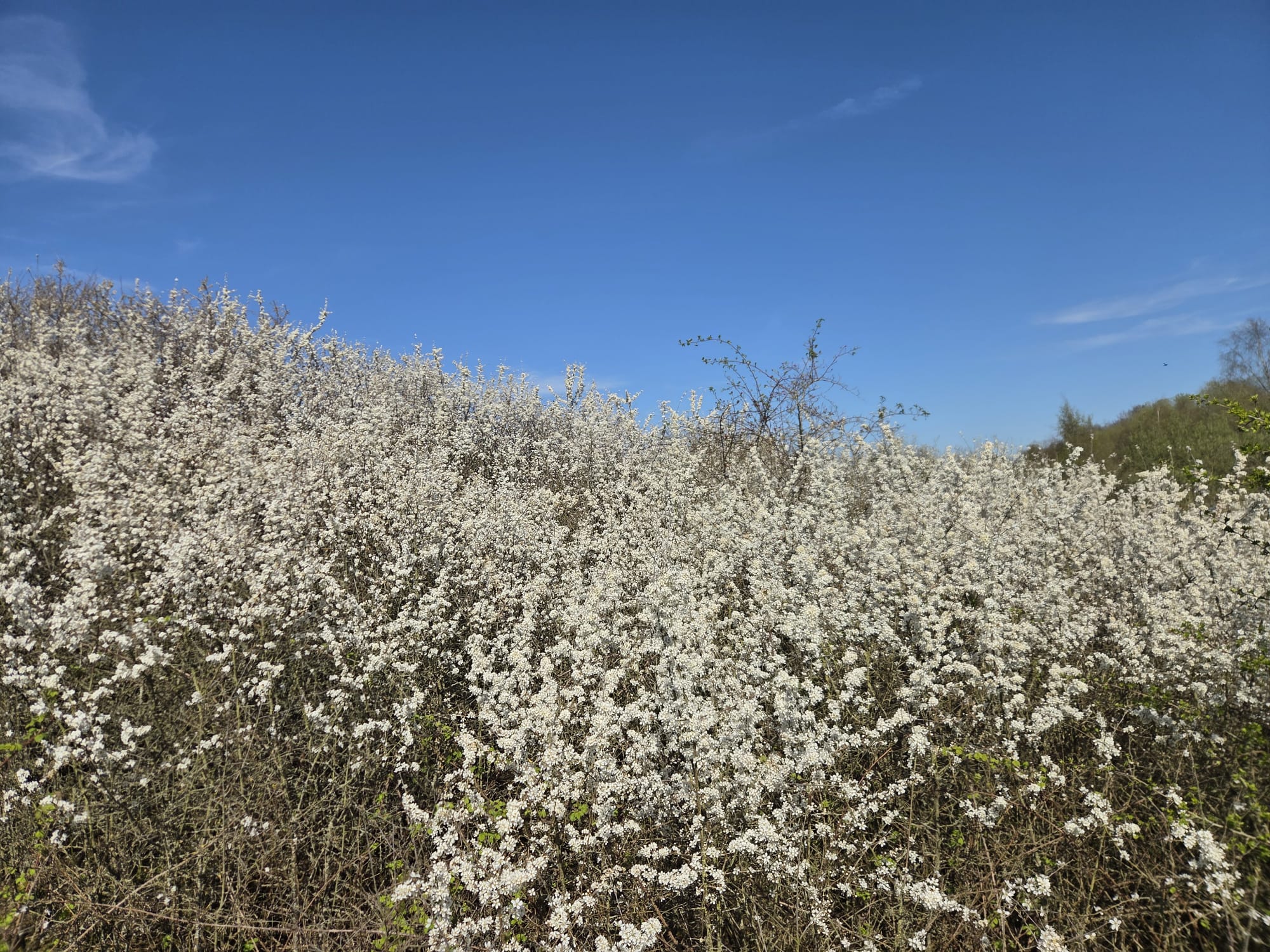
Coming up, be sure to keep an eye out for returning summer migrant birds such as cuckoos, swallows and swifts. Hawthorn blossom will soon be turning our hedgerows white once more, while June will bring the main flowering season for our wildflower meadows.
Did you know?
April is Stress Awareness Month, and spending time in nature is one of the simplest ways to support your wellbeing.
A gentle walk, birdsong in the background, or just taking a moment to notice the signs of spring can all help you feel calmer and more refreshed.
If you can, take a little time this season to step outside and enjoy it.