Winter wildlife & conservation update
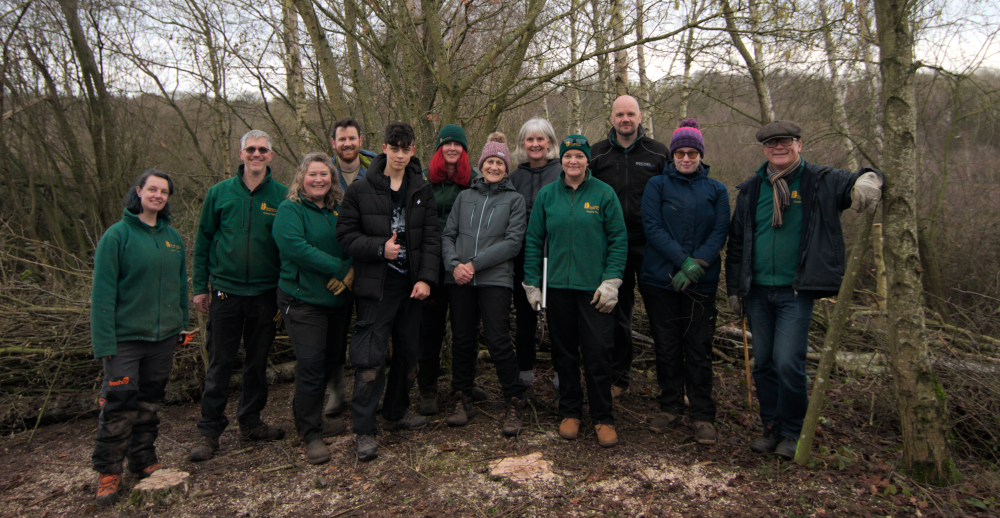
Over the past few months, our rangers and volunteers have braved all weathers to deliver habitat management, maintenance, species monitoring and community projects across our sites.
Here’s a snapshot of what’s been happening across Warwickshire Country Parks this winter.
For more updates like this, don't forget to sign up for our monthly newsletter.
Minibeast Wood maintenance at Ryton Pools Country Park
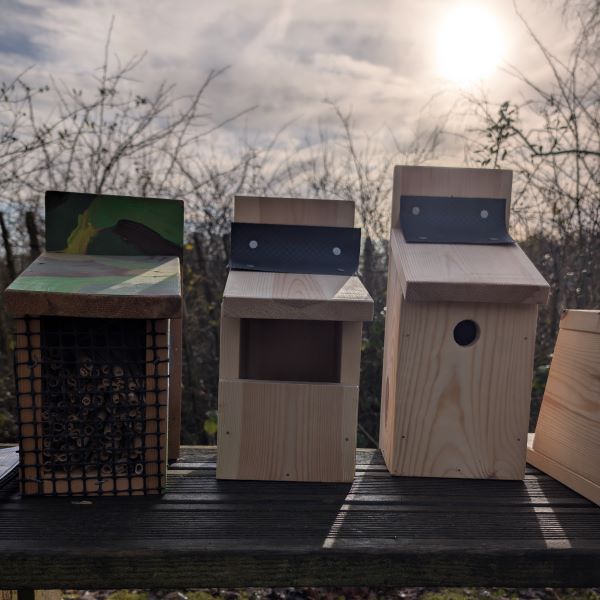
A recent team work day at Ryton Pools brought together rangers and colleagues from across the wider Warwickshire County Council green spaces and waste team to give the Minibeast Wood a much-needed refresh.
The Minibeast Wood is a special place: it’s managed for wildlife and biodiversity, but also designed to be explored by children as part of our outdoor learning programme. The aim of the day was to make sure the area is safe, welcoming and ready to be well used, while still keeping all the nooks and crannies that make it such an exciting place to discover nature up close.
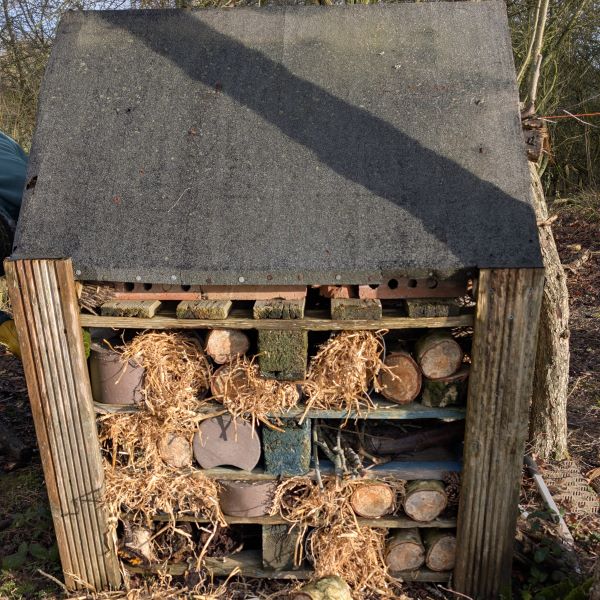
A huge amount was achieved, from making unstable trees safe and turning them into log piles, to tidying up the overcrowded hawthorn and removing lower spikes, pruning and coppicing hazel, refreshing dead hedging and fencing, and sprucing up habitat features like bird boxes, log piles, minibeast mats and our grand minibeast hotel.
With these improvements, the Minibeast Wood will once again be used throughout the year to support our outdoor learning programmes and school visits planned for 2026. It will continue to help children build confidence outdoors, develop respect for wildlife, and form early connections with nature.
New volunteer groups at Pooley Country Park and Burton Dassett Hills
Our new monthly volunteer group at Pooley Country Park began in November and has already clocked up 78 volunteer hours. Volunteers have been improving access across the site by cutting back encroaching vegetation, enhancing pathways, tackling drainage issues and carrying out practical tasks such as tree crown lifting (removing lower branches to improve access) around the coffee shop.
Looking ahead, the group will continue habitat work within the park’s Site of Special Scientific Interest (SSSI) as our team takes over full management from Warwickshire Wildlife Trust.
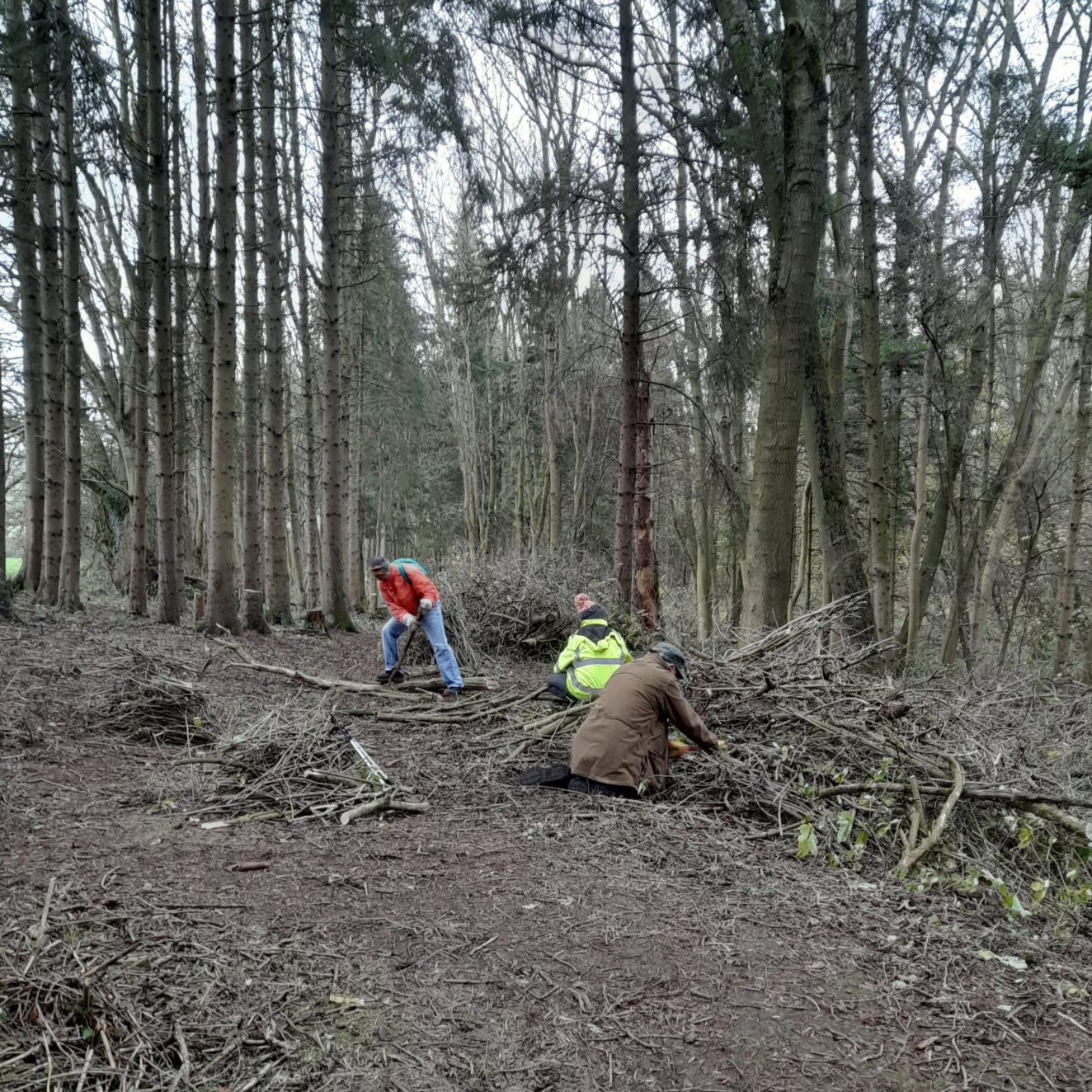
We’ve also established a dedicated volunteer group at Burton Dassett Hills, with a trusty team meeting once a month to help care for this much-loved landscape. So far, volunteers have taken on a wide range of conservation and maintenance tasks, including scrub clearance in Foxes Covert, removing old metal posts near the beacon, litter picking, and pruning trees along fencing due for replacement.
Both groups offer the chance to learn new skills, get involved in hands-on conservation, and connect with nature and others from the local community.
Pooley Country Park volunteers meet monthly on a Wednesday, while Burton Dassett Hills volunteers meet monthly on a Friday. If you’d like to get involved, please email parks@warwickshire.gov.uk.
Kingsbury Water Park – hedgerows, wildflowers and community orchards
At Kingsbury Water Park, volunteers and rangers have completed the first year of a three-year hedge-laying programme in Richard’s Meadow, using sustainably sourced materials from coppicing work across Kingsbury and Hartshill.
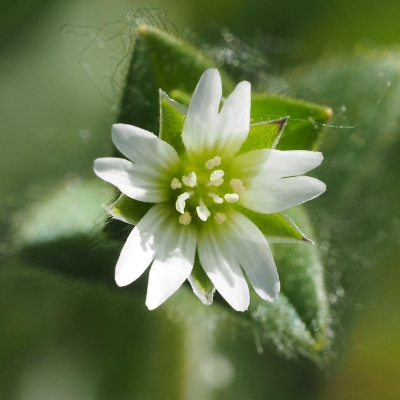
Our monthly wildflower survey reached its 2025 conclusion, with 103 individual species recorded and submitted to the Botanical Society of Britain and Ireland. August proved the most diverse month, with 62 species recorded, and Common Daisy and White Deadnettle tied as the most frequently seen species throughout the year.
National Tree Week brought another highlight, with volunteers, rangers, the Friends of Kingsbury Water Park and the Child Friendly Warwickshire Bear planting 14 new fruit trees in the community orchard. This forms part of Warwickshire’s Community Orchard Project, funded by the Coronation Living Heritage Fund and DEFRA, which will see over 1,000 fruit trees planted across the county by March 2026.
At Ryton Pools Country Park, the community orchard has also expanded, with new fruit and nut trees planted to extend the avenue into the commemorative woodland.
We hope the trees at both sites will create blossom and fruit to be enjoyed by all for years to come, boosting biodiversity and providing lovely green spaces for the community.
Wildlife recording at Ryton Pools Country Park
The new year brings the chance to look back on a standout year for wildlife recording at Ryton Pools. Moth surveying reached a new record, with 73,013 moths from 700 species recorded, nearly 25% more than last year with the same level of recording effort.
This included 22 species new to the site and two new to Warwickshire: the Raspberry Clearwing and the micro-moth Ancylosis oblitella. All data has now been analysed and will help guide future habitat management.
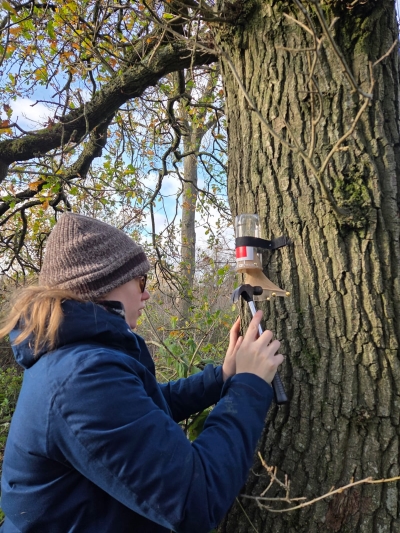
Recording is carried out using catch-and-release light traps, alongside field observations by staff and volunteers. At certain times of year, pheromone lure traps are also used to target species that don’t come to light traps.
Looking ahead to 2026, the ranger team and volunteer entomologist Richard Wright will lead a focused “Beetle Blitz” to build a clearer picture of site condition and identify opportunities for habitat improvement. Ryton Pools is currently home to 563 recorded beetle species.
Things to look out for
As January progresses, early signs of life begin to appear. Snowdrops and hazel catkins will soon be visible, while large flocks of Scandinavian thrushes are now abundant in Warwickshire. Both Fieldfare and Redwing, migratory thrush species from Scandinavia, can be seen feeding across our parks during the winter months.
The Fieldfare takes its name from the Anglo-Saxon felde-fare, meaning “the traveller over the fields”. Chaucer later described them as the “frosty Fieldefare”, an apt description, as cold weather is the trigger that drives these birds south from Scandinavia.
Did you know?
Cold, frosty mornings can be good for our mental wellbeing. Frost, ice and snow form natural fractals, patterns that repeat at increasingly fine magnifications. Our visual system can process fractals with ease and looking at them is scientifically proven to put our bodies into a comfort zone, helping to reduce stress by up to 60% and stimulate calming brain activity, even if they are seen for just one minute. In addition, our parahippocampus (the part of the brain which regulates emotions) is stimulated by fractals which produces a similar reaction to listening to music. It may be cold, but on winter days it does us good to be outside!
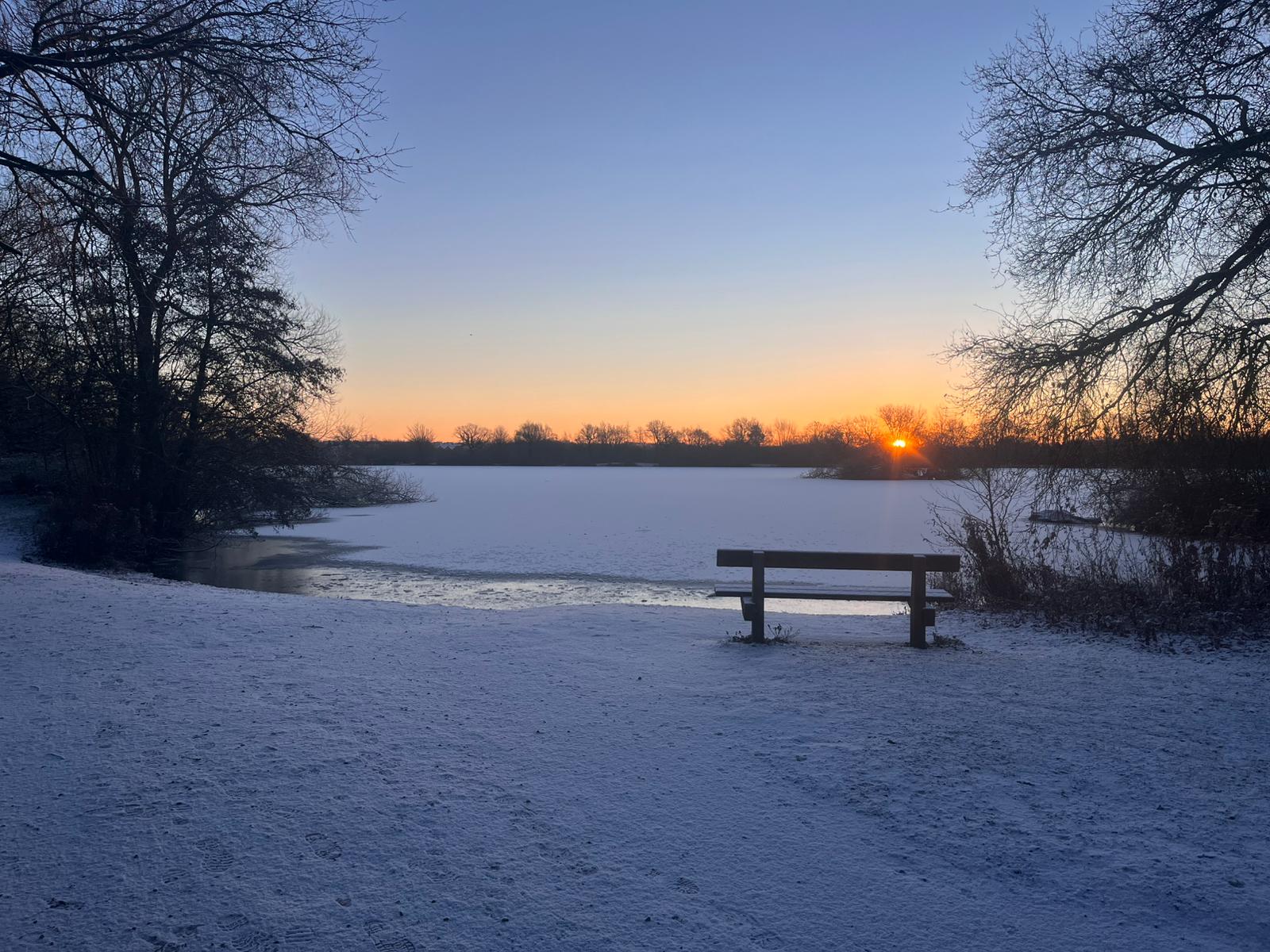
Sunrise at Kingsbury Water Park