Autumn conservation and wildlife update

Updates from a lovely autumn at Warwickshire's country parks.
As autumn has transitioned from the first tinges of red and gold to the last russet leaves clinging to branches, there’s been plenty happening in the world of wildlife and conservation at Warwickshire’s country parks. From a rare ladybird found in a child’s hair to vestal cuckoo bees, dormice, and 1000 moth species recorded, here's a round-up of what's been going on.
If hearing about what our volunteers get up to inspires you to join us, find out more about how to sign up at your local park - all help is much appreciated!
For more updates like this, don’t forget to sign up for our monthly newsletter.
A busy summer for bees at Kingsbury Water Park
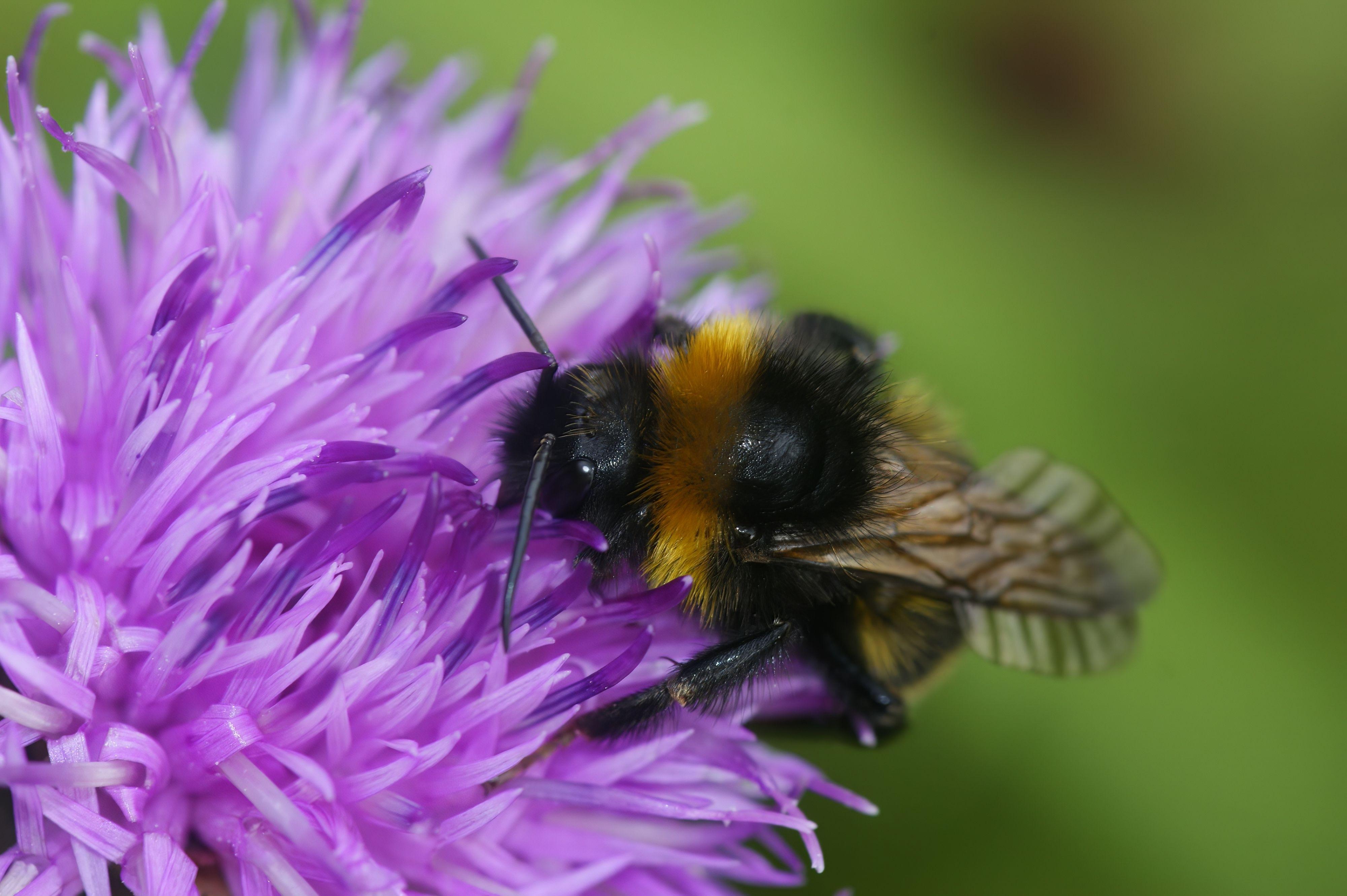
The 2026 bee survey at Kingsbury Water Park has come to an end, with 209 individual bees recorded over the summer. The most frequently spotted species were common carder bees (65), buff-tailed bumblebees (54) and red-tailed bumblebees (38).
Among the more unusual finds were vestal cuckoo bees, which have an interesting way of raising their young. Rather than building nests of their own, these bees invade the nests of buff-tailed bumblebees, kill the resident queen and rely on her workers to raise their offspring!
A huge thank you to volunteer Mary Taylor for keeping the records, and to the rest of the survey group for their time and effort. The survey will return in March 2027.
Giving ancient woodland a new lease of life at Hartshill Hayes
Did you know that coppicing can essentially keep trees in a perpetual state of youth, helping to prevent them from dying of old age?
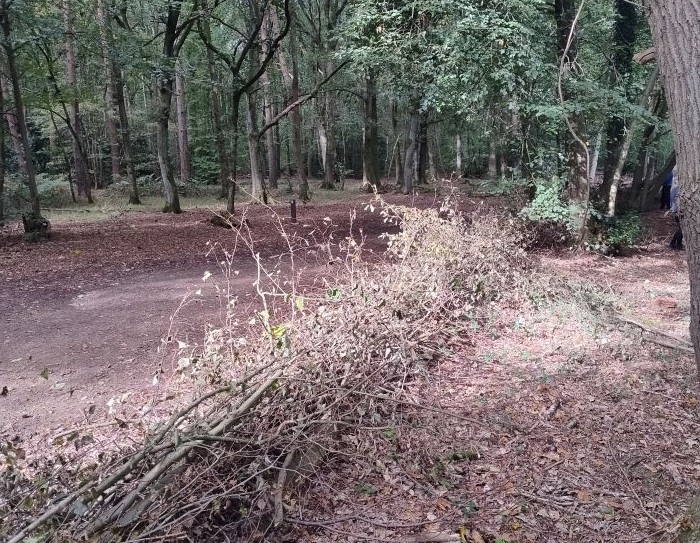
This traditional woodland management technique involves cutting trees back close to their base, encouraging them to produce multiple new stems. Our volunteers have been busy coppicing small-leaved lime trees in the ancient woodland at Hartshill Hayes Country Park. Opening sections of the canopy also allows more light to reach the woodland floor, encouraging wildflowers and increasing the diversity of plants and wildlife. There’s evidence this technique has been used within the woods at Hartshill for hundreds of years.
The cut material from the coppicing is being put to good use in dead hedges. These provide valuable shelter and nesting opportunities for birds and invertebrates, while helping protect sensitive areas from being trampled by visitors.
A big thank you to all our volunteers for helping us look after these precious habitats.
Dormice discovered at Ryton Pools Country Park
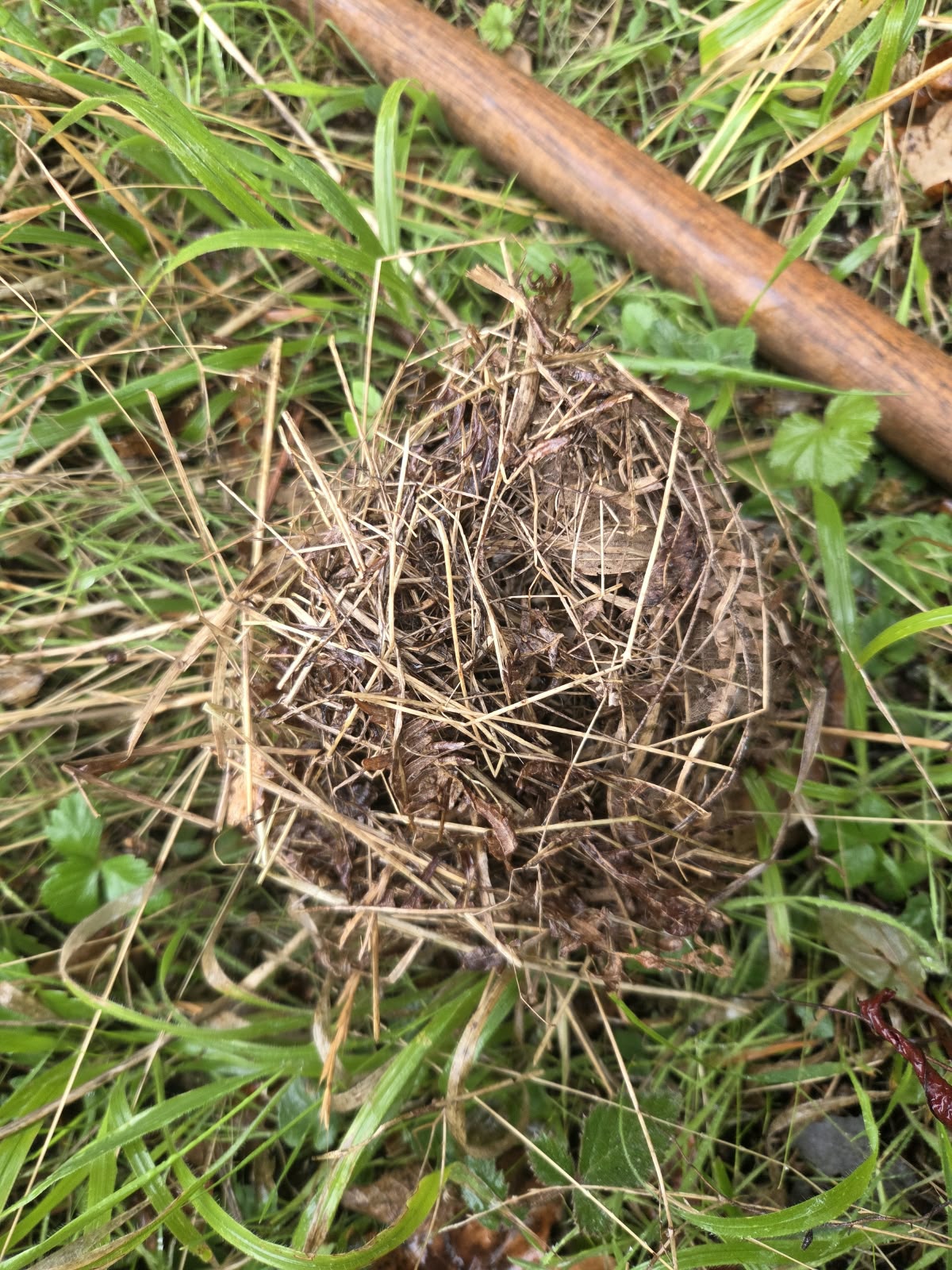
There's more good news for dormice around Ryton Pools, with two further dormouse nests discovered during scrub clearance on Pagets Escarpment.
The discoveries are encouraging following licensed releases into the nearby Princethorpe Woodlands complex through the Dunsmore Living Landscape Project and the People's Trust for Endangered Species (PTES). Rangers Courtenay and Esther took part in a release of 11 additional dormice in late summer, helping to diversify the gene pool of the existing population.
We're now planning to install footprint tunnels to help track the dormice as they move around Ryton Pools, alongside taking part in collaborative work with wildlife specialists RSK Biocensus to learn more about their ecology and movements.
More exciting new wildlife discoveries at Ryton Pools
The dormice aren’t the only exciting discoveries at Ryton Pools: we’ve had several notable new species to add to the site's ever-growing wildlife list.
Among the highlights were a Striped Hawk-moth, which migrates all the way from Africa, and a Diving Bell Spider, which spends most of its life underwater, trapping a bubble of air against its body so it can breathe. We’ve also found the first evidence of breeding Willow Emerald Damselflies around Pagets Pool.
A species of ladybird that’s uncommon locally, the 18-spot Ladybird, was discovered in rather unusual circumstances during Storm Austen. Blake, one of our young wildlife enthusiasts, found it in her hair while taking part in a home education session! Our current theory is that it had been blown from its lofty home in our Children's Wood before landing on Blake's head.
Looking after our wetlands at Pooley Country Park
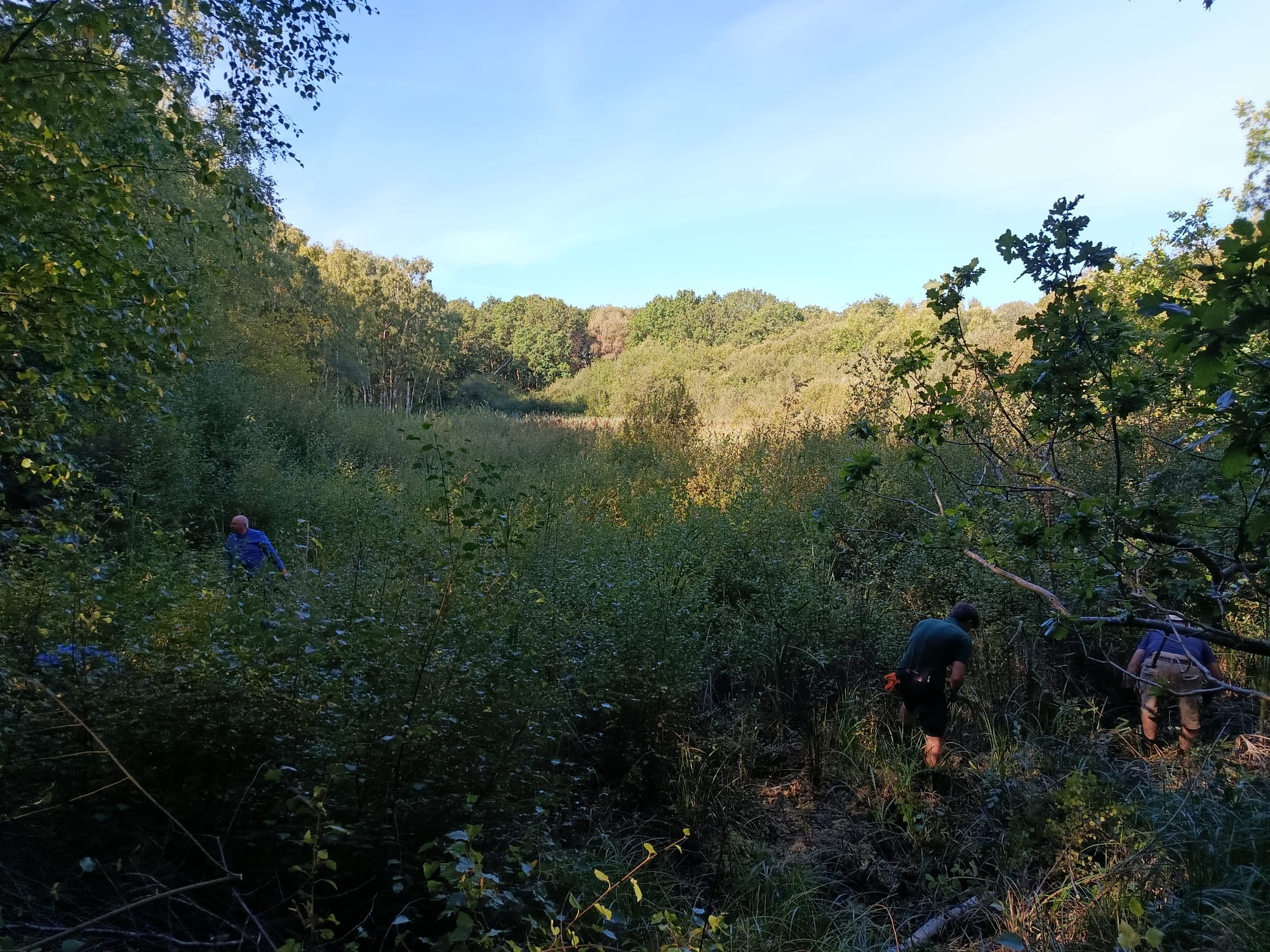
Our volunteer groups have been working hard to remove scrubby birch and willow from the wetland and reedbed at Pooley Country Park.
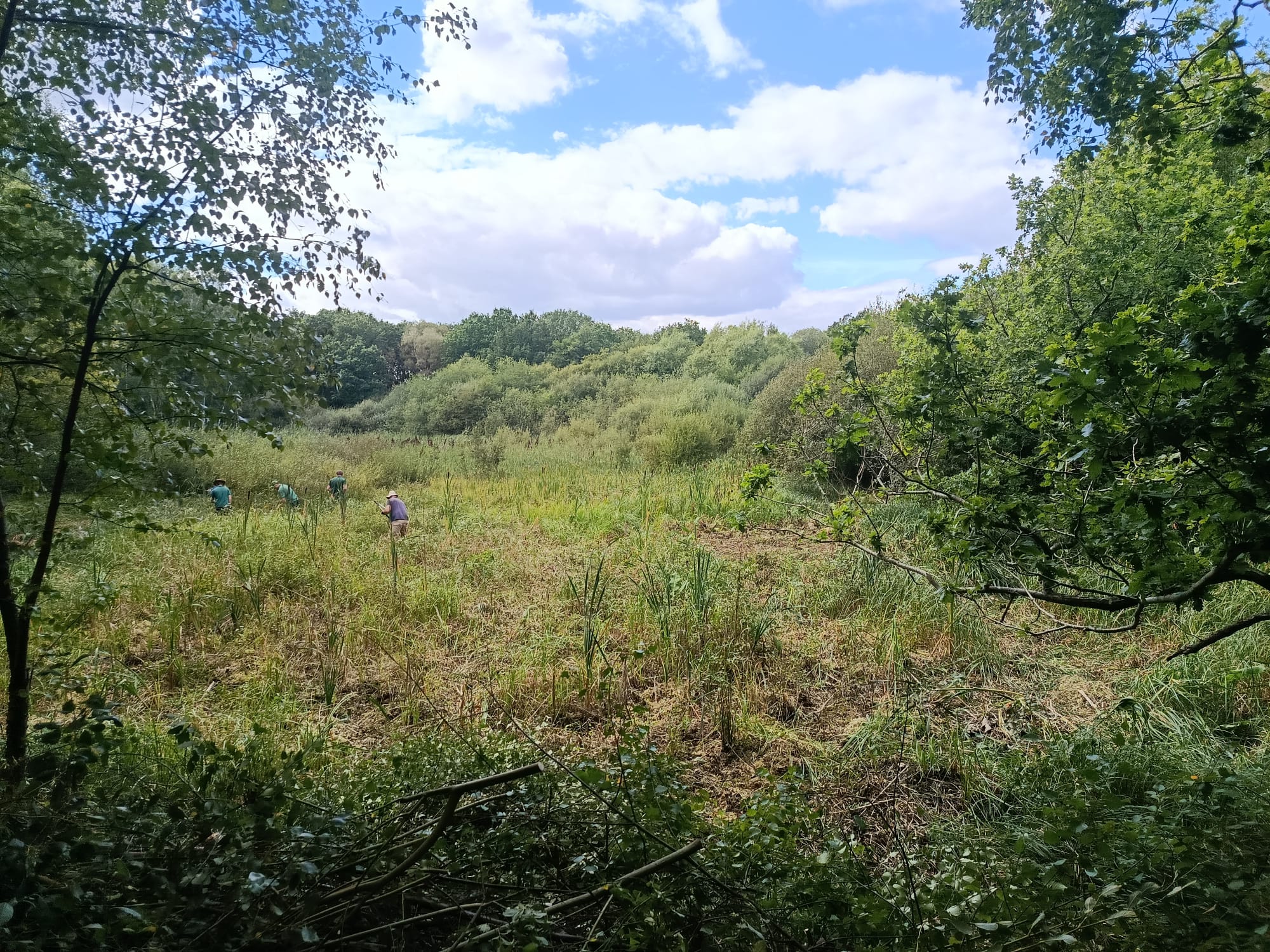
Without management, these fast-growing trees and shrubs can gradually take over open wetland habitats, eventually turning them into woodland.
Removing the scrub helps protect the important features of this Site of Special Scientific Interest (SSSI) and the wildlife that depends on them.
The cut material hasn't gone to waste – it's been used to create dead hedges around the pool, providing extra shelter and habitat for wildlife. There were encouraging signs of wildlife enjoying the area too, with huge numbers of dragonflies spotted hovering over the wetlands towards the end of one working day!
Welcome to student placement Kelsey!
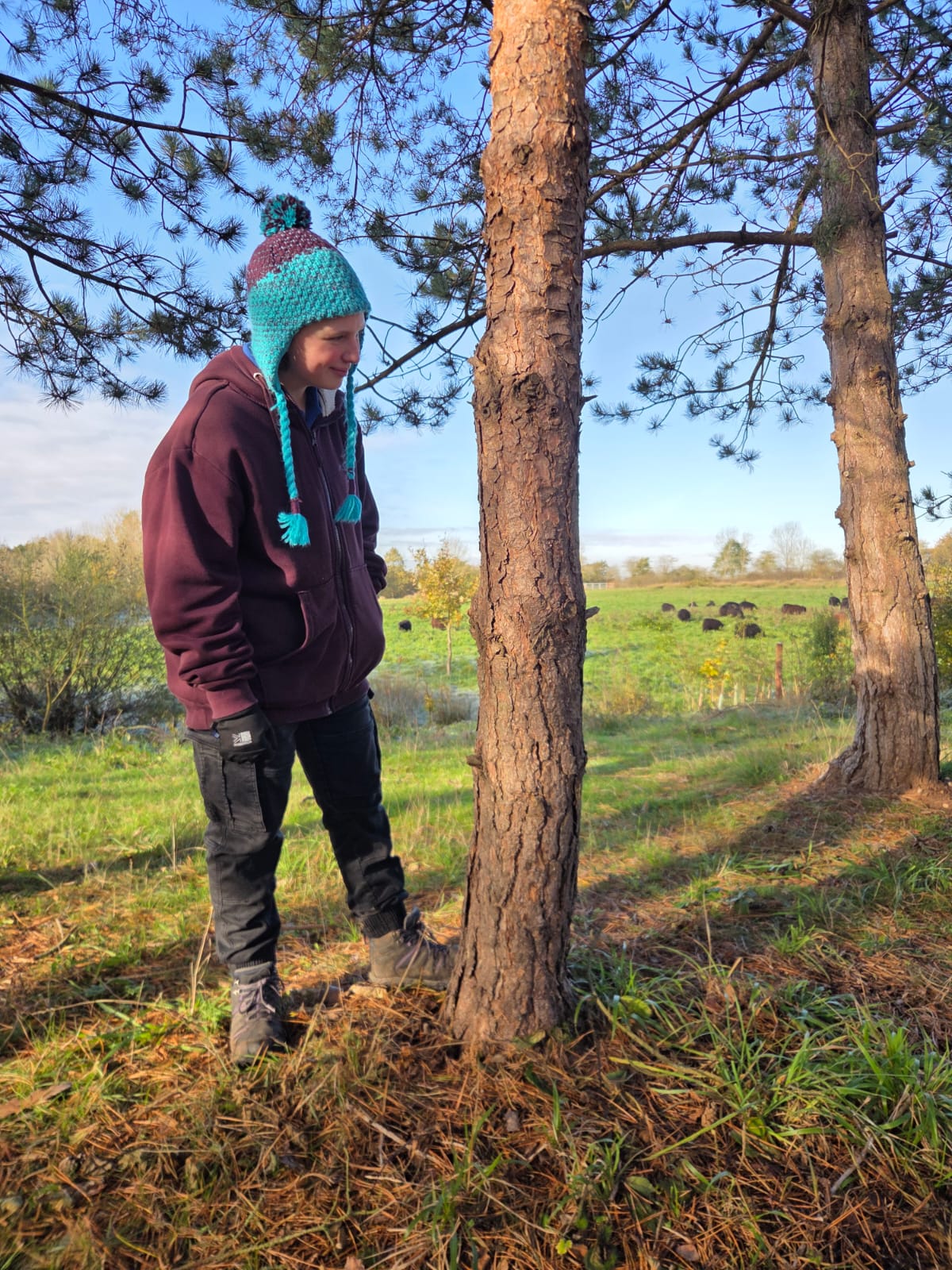
We'd like to welcome Kelsey, who joined us in October as our latest Wildlife and Conservation Masters student at Ryton Pools. Kelsey has already been getting stuck into ranger life and is supporting a variety of projects. A keen spider enthusiast, she's been looking closely at the site's existing spider records and identified some gaps, particularly when it comes to spiders that live in trees. She's now planning some dedicated surveys to find out more.
She's already added several species to the site's wildlife list too, including two of our most-wanted bugs, the Spiked and Bronze Shieldbugs, alongside several new spider records and a species of purple springtail that feeds on fungi. We're looking forward to seeing what else she discovers!
Ryton Pools passes the 1,000 moth milestone!
There's been a fantastic milestone for wildlife recording at Ryton Pools, with the site's all-time moth list passing 1,000 species for the first time!
It's been a particularly good year for moth recording, with the warm summer weather helping reveal plenty of species not previously recorded at the park. The list stood at 966 towards the end of summer, with the 1,000 mark looking possible but still some way off.
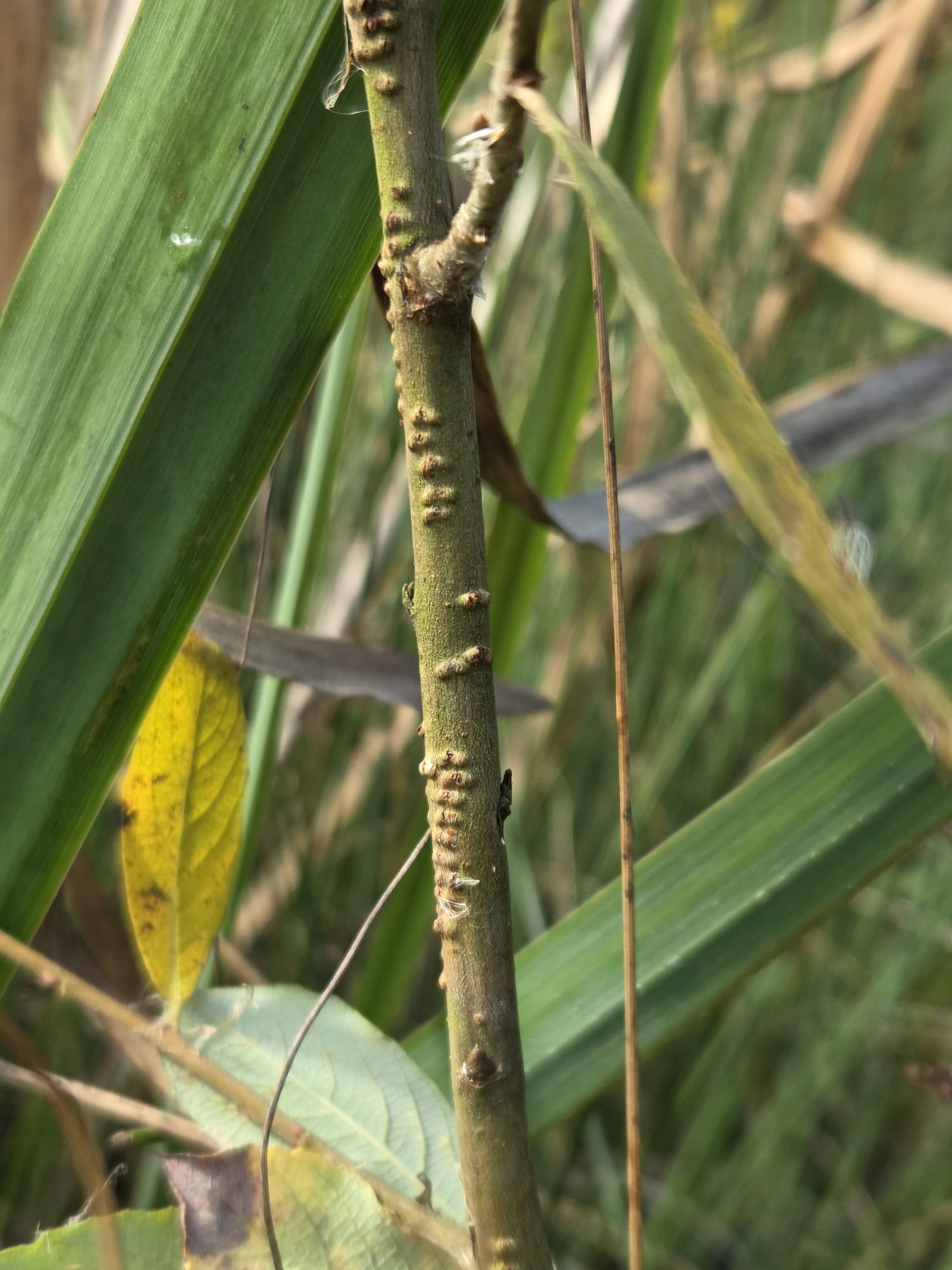
That was until Martin Kennard, a micro-moth expert from the Warwickshire Moth Group, offered to help identify tiny leaf mines left behind by moth caterpillars. Some caterpillars are so small that they feed between the layers of a leaf, leaving distinctive patterns known as mines. These can be identified to species level, even when the moth itself hasn't been seen.
After just two visits, Martin identified an astonishing 44 additional species from leaf mines and other early-stage signs, taking the total to an incredible 1,010 species!
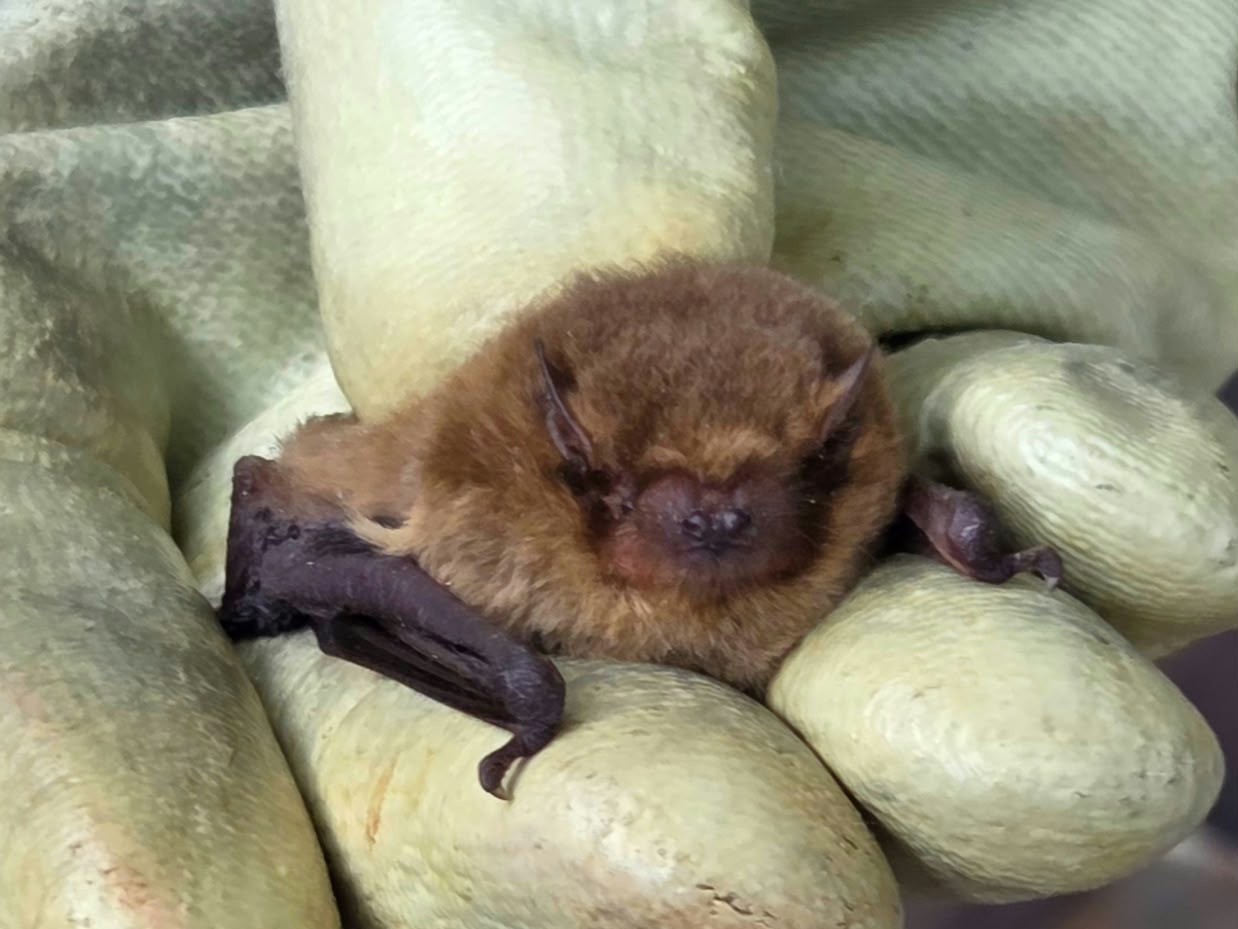
From moths to mammals, our wildlife recordings help inform how we look after our sites. They show us how climate change is impacting different species, and highlight where we need to make sure particular plants are protected when tidying up our country parks.
Wildlife to look out for this autumn and winter
Winter visitors arrive at our lakes and wetlands
Our lakes and wetlands are becoming increasingly busy with overwintering birds. Little Egrets, Great Egrets, Goosanders, Shovelers, Teal and Snipe are among the species you might spot across Kingsbury Water Park. It's a great time to bring along your binoculars and see what you can find!
Keep an eye out for Scandinavian visitors
Fieldfares and Redwings are already arriving in numbers at our parks, having travelled south from Scandinavia in search of food.
Keep your eyes peeled for Waxwings too. These striking birds sometimes arrive in larger numbers during colder winters, making them a real treat to spot.
There's still life in the colder months
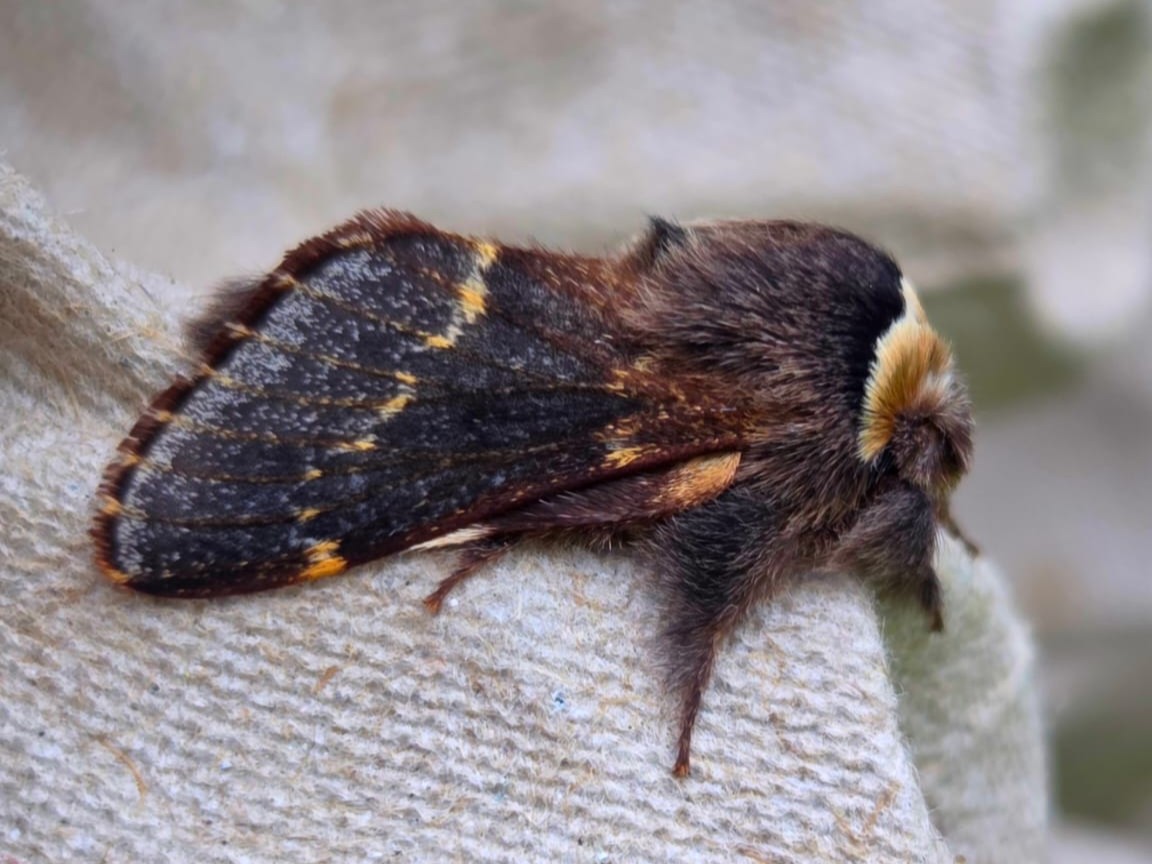
Not all moths disappear when summer ends. Several species are active during autumn and winter, including the beautifully marked December Moth.
Next time you're out walking, take a closer look at tree trunks. You might spot one resting there in its furry coat, even on a chilly day!